In this article
Overview
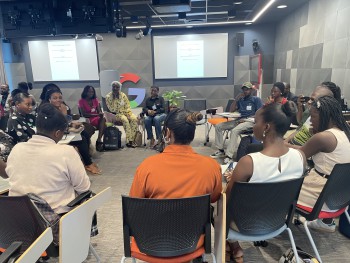
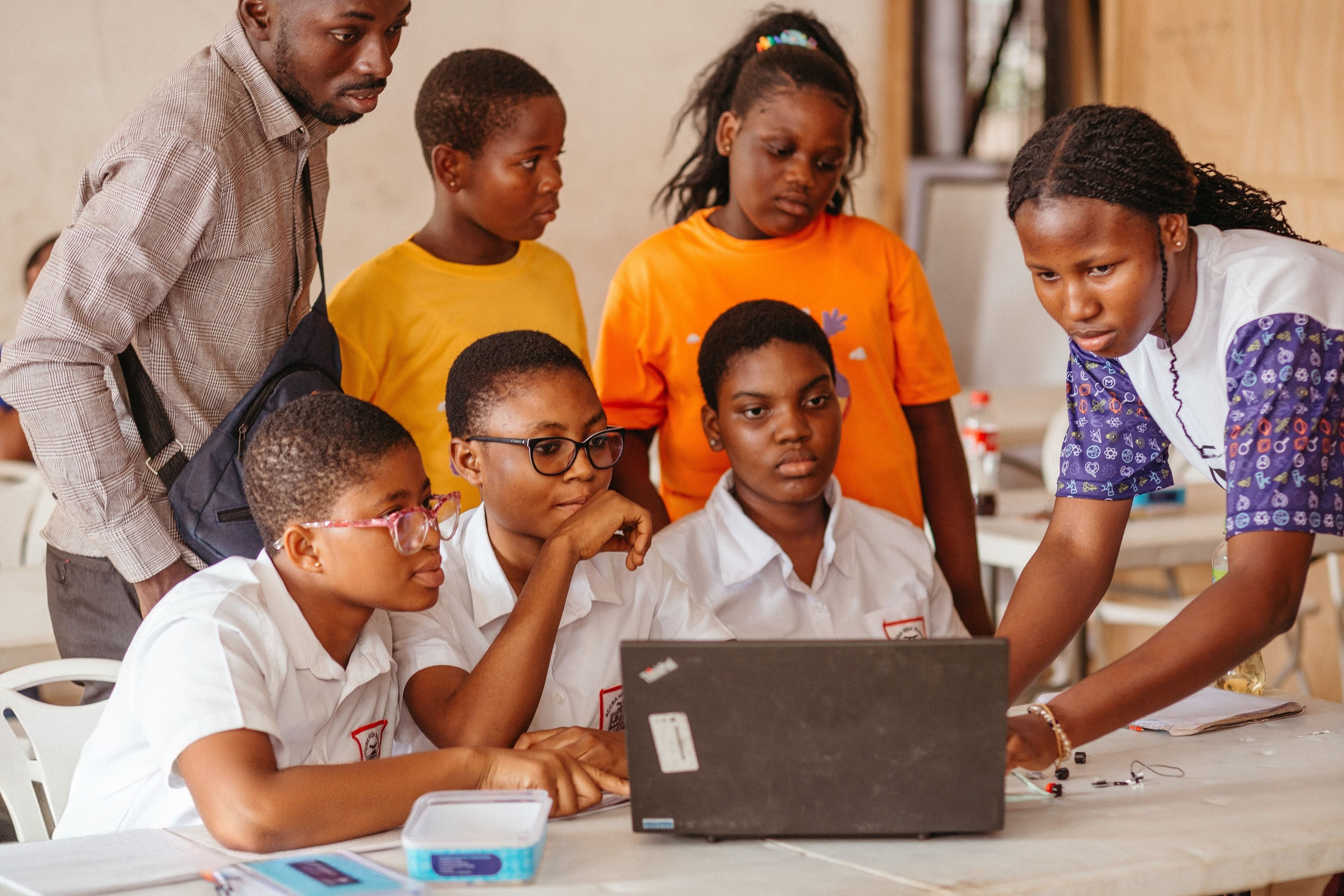
Event Recap Practical AI Training for Future Women Leaders is a core learning topic under Community Stories and Events for Divas in AI. This guide is intentionally detailed so learners, mentors, educators, and program leads can move from high-level inspiration to measurable implementation. The goal is to support women and girls to build technical depth, leadership confidence, and practical impact through responsible AI practice.
This article focuses on community learning, collaborative events, and practical stories that inspire participation in AI. It combines strategy, implementation steps, and evaluation methods. You can use it as a self-study roadmap, as a facilitation guide for cohort training, or as a planning framework for community projects.
Why This Topic Matters for Divas in AI
Divas in AI exists to close the gender gap in artificial intelligence by equipping women with the skills, mentorship, and support systems required to lead. A detailed approach matters because many learners face fragmented information, inconsistent guidance, and unclear career pathways. By structuring this topic clearly, we reduce confusion and increase momentum.
In many contexts across Africa, access to advanced learning resources is improving but still uneven. Practical frameworks help bridge this gap by turning complex AI concepts into actionable routines that can be practiced with available tools. This makes progress more inclusive, especially for learners balancing school, work, or family responsibilities.
Deep-Dive Learning Framework
- Clarify the problem space: Define one real challenge to solve and map who benefits from the solution.
- Build strong foundations: Strengthen data literacy, critical thinking, and domain understanding before advanced modeling.
- Prototype quickly: Build a baseline version early, test assumptions, and improve in short cycles.
- Document decisions: Record datasets, model choices, evaluation criteria, and ethical considerations.
- Collaborate intentionally: Work with mentors and peers for code reviews, idea refinement, and accountability.
- Communicate impact: Present findings in clear language that technical and non-technical audiences can understand.
Project Ideas You Can Execute
Use the following project directions to move from theory to practice:
- bootcamp impact report
- hackathon outcomes showcase
- peer-learning circle tracker
Each project should include a clear objective, a realistic timeline, and success criteria. Start with a minimum viable version, gather feedback early, and iterate based on evidence.
90-Day Implementation Plan
Days 1-30: Learn core concepts, define project scope, and set your working rhythm. Focus on consistency over intensity.
Days 31-60: Build and test your first full project iteration. Track model behavior, usability observations, and lessons learned.
Days 61-90: Refine quality, improve documentation, and present your work publicly through a demo, article, or portfolio page.
This timeline is effective because it blends skill-building, execution, reflection, and communication in one cycle.
Recommended Tools and Learning Resources
- Eventbrite
- Zoom
- Google Forms
- Airtable
- Canva
- WhatsApp community groups
Tool selection should match your project scope and current level. Avoid tool overload. Pick a small stack, use it deeply, and expand only when your workflow is stable.
Common Challenges and How to Solve Them
- Challenge: Inconsistent learning schedule. Response: Block fixed weekly practice sessions and track completion publicly.
- Challenge: Difficulty moving from tutorials to projects. Response: Start with scoped community problems and simple baseline solutions.
- Challenge: Low confidence during technical discussions. Response: Prepare concise explanations and rehearse with peers.
- Challenge: Limited mentorship access. Response: Use cohort feedback loops and structured peer review sessions.
- Challenge: Weak documentation habits. Response: Maintain a project log for decisions, experiments, and outcomes.
Metrics to Track Progress and Impact
- event participation rate
- project demo completion
- member engagement frequency
- mentor-to-learner ratio
- post-event learning continuation
Review these metrics every two weeks. Progress becomes sustainable when you evaluate both technical quality and community impact.
How Divas in AI Supports This Journey
Divas in AI provides structured training pathways, mentorship access, and practical learning environments that accelerate growth. Learners benefit from accountability systems, collaborative projects, and leadership development opportunities that extend beyond classroom instruction.
Programs are designed to help women move from beginner confidence gaps to advanced contribution. This includes exposure to research practice, responsible AI standards, and portfolio-ready project execution.
As members grow, they are encouraged to mentor others and strengthen the wider ecosystem. This creates a cycle where individual progress becomes community transformation.
Conclusion
Detailed learning is the difference between interest and long-term impact. Use this guide as a repeatable system: learn with intention, build with evidence, communicate with clarity, and lead with inclusion. That is the pathway Divas in AI stands for.